Press

 Edible Food Finds: Kids Cooking Green
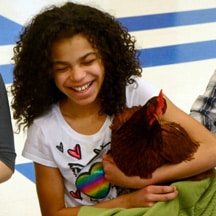
“About a dozen second- through fifth-graders sat in anticipation in a circle on the floor at Pierce Middle School in Newton, eagerly awaiting the arrival of a pair of chickens from Waltham Fields Community Farm. When the guests of honor came in tow with a farmer, the students passed around a freshly laid egg and got a crash course on chickens, from their wingspan to food preferences to their dominant senses of sight and hearing; then they fed and petted the hens.
The occasion was an installment of a multi-week after-school program offered through Lexington-based Kids Cooking Green that teaches kids the positive impact eating locally can have on the environment and their bodies, as well as the benefit of food as a social experience. Read more here.
 “Teaching young kids how to junk bad eating habits” by Hattie Bernstein, 2018… “Everything is so fast. People eat in their car,” said Lori Deliso, cofounder and owner of Lexington-based Kids Cooking Green, which runs an after-school program at the Community Nursery School. “There are no sit-down dinners where people can appreciate being together as a family.”
In Lexington, registered dietitian Liz Weiss urges parents to get their kids involved. “Take kids grocery shopping and don’t let them hold the cellphone to distract them,” said Weiss, who works with Kids Cooking Green. Use the whole supermarket. Frozen, canned, dry, fresh, organic, or conventionally grown. Eat more fruits and vegetables. Think color. Introduce a variety. . . .”
But don’t expect overnight success. Like learning to read and write or ride a bike, healthy eating is a process that takes time.
 Get More Out of Boston with Kids
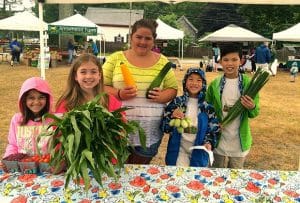
With an eye toward grounding kids in the importance of fresh, local ingredients comes Kids Cooking Green!
“Cooking with Kids in and Around Boston: Classes, Camps, and Parties” 2017 – By Audrey Trieschman
Whether our kids are adventurous eaters or too timid to try anything beyond boxed mac ’n’ cheese, teaching them about food prep, healthy eating, and nutrition is one of the more important things we as parents can do for their well being. Cooking together at home is one way to do this, but there are also plenty of opportunities for “instructive” fun through kids’ cooking classes and workshops.

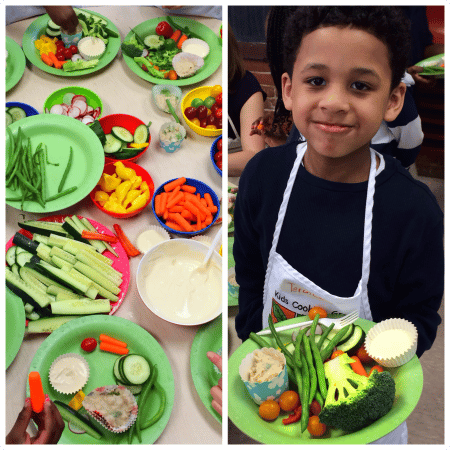
In 2007, Lori Deliso and Liza Connolly, two Lexington moms concerned about the lack of “real” foods in kids’ diets and the desire to teach children about the benefits of eating locally and sustainably, cooked up a five week after-school program called Kids Cooking Green.

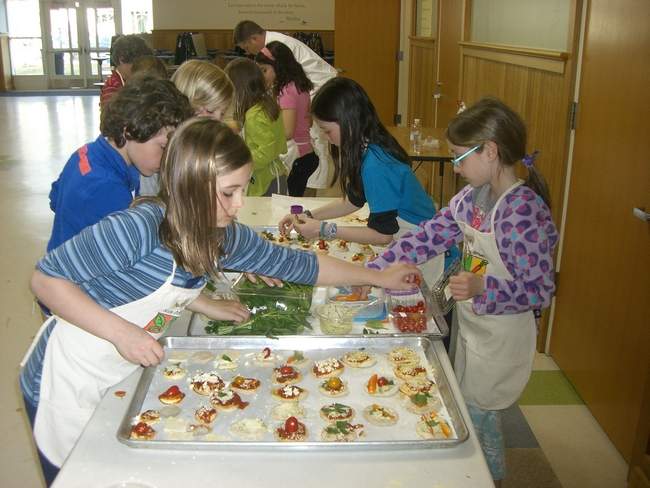 Locavore Program Feeds Students’ Minds, Bodies
“Anbody hungry yet?” Lori Deliso asked.
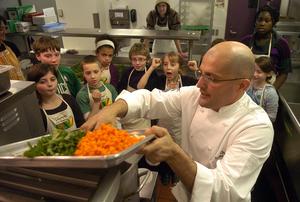
The Thoreau students chorused “Me!” as they gathered in the school’s cafeteria kitchen to learn how to “bread” chicken with cornflakes.
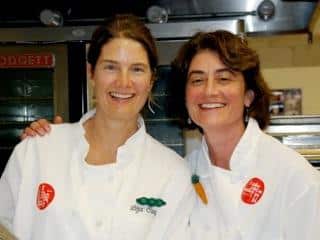
 Our guest editors for this issue of the Network News are the wonderful chef-educators from Kids Cooking Green in Lexington. KCG is a fantastic example of the programming possibilities that emerge at the intersection of local food, curious kids, and dedicated educators. If you would like to be a future guest editor, please contact Erika at Mass. Farm to School Project to hear how it works.
Read on for a profile of KCG, a delicious fall recipe, links to many upcoming farm- and food-related educational events (including an October Network gathering at Moraine Farm), and opportunities for educating Massachusetts students about their food, their landscapes, and their communities.

Be sure to check out the great video!

 Cooking Dinner in Suburbia Winter 2013
“The activity in the kitchen is dizzying: tablecloths are being spread, places set, drinks poured, centerpieces … centered. Behind the kitchen door, steady hands put the finishing touches on dinner, tossing local greens with Brussels sprouts and dried cranberries and sprinkling scratch-made spinach and egg pasta with fresh Parmesan. Cranberry oatmeal cookies, just taken from the oven, are placed on trays.

 Introducing our September Heroes September 2010

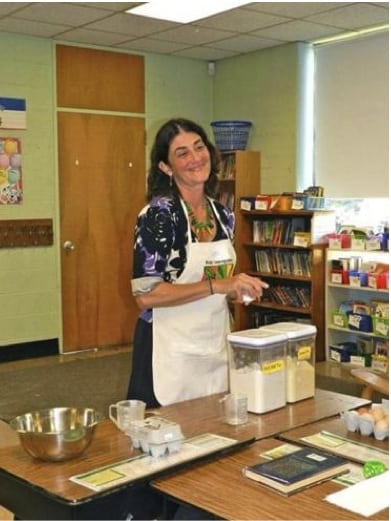 Lexington woman offers lessons on cooking locally grown food August 2012
A recent award from All-Clad Metalcrafters, in conjunction with Share Our Strength and Partnership for a Healthier America, enables participants to prepare their creations on professional grade equipment. Each of the five donated cookware kits includes an induction burner, saute pan, two smaller sauce pans, mixing bowls, measuring cups, a cutting board, knife, tongs, and utensils. Local classes take place in Arlington, Bedford, Lexington, and Wellesley, as well as Medford and Wilmington.
 Kids Cooking Green in Bedford! April 2011
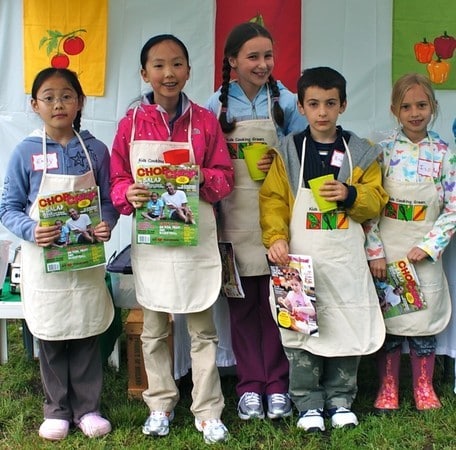
“Kids, start your blenders! Organizing a party for 55 hungry guests is no easy task, especially when you are 10 years old! Throw the challenge of having the menu consist of only foods that are grown locally, and the fact that the menu must be nutritionally balanced and you have a real life challenge. The students are part of a 4 week, after school Recreation Department Program called Kids Cooking Green, held at the Job Lane Elementary School.
The program aims to introduce kids to the importance of eating locally grown foods, and empower them with the knowledge that their choices can make a difference in their own health, and in the health of their environment while learning life long cooking skills, and having fun.“

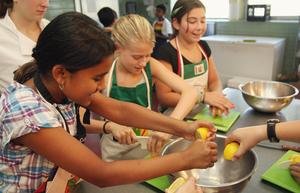 Young chefs serve food for thought… October 2011

